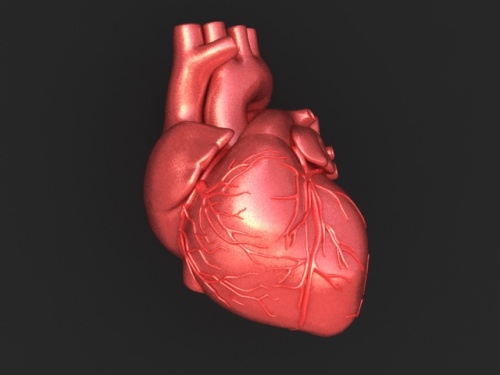 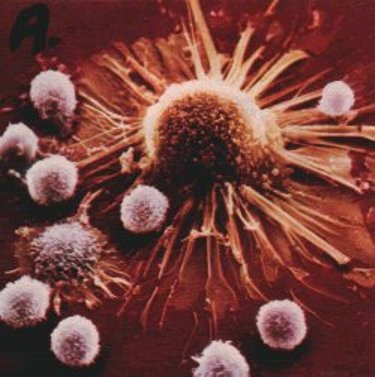
The Human Heart Cancer Cell under attack by the immune system
Medical Research
“A man acts
only in so far as he understands.”
--Spinoza
“As you
write the story of your life, make it a masterpiece.”
--Allen
Klein
The
following are some of the medical research at Trailblazing Research:
- Natural
Magnetic Frequency to fight Cancer
- All
Natural Organic Chemotherapy
- Investigation
of Methods to enhance the growth of new or branch arteries to the heart
- Investigating
the cause and prevention of Autism
- Enhancing
Creativity and Learning in Children
- Reducing
the Number of Children that Acquire Leukemia
- Sudden Infantile Death Syndrome (SIDS)--includes research paper below
The
Following is a brief description of some of the research we are working on at Trailblazing Research.
Natural Magnetic Frequency to fight
Cancer
Dr. Klein postulated that every organism has a
natural magnetic frequency. At the
natural magnetic frequency, energy will be absorbed by the organism. By continually exposing an organism to its
natural magnetic frequency may cause the organism to absorb so much energy that
it is destroyed. Since magnetic fields
can pass through many substances, the nautral magnetic frequency theory may be
used to destroy many harmful organisms inside man, such as cancer cells, the human
immunodeficiency virus (HIV) that causes AIDS.
All Natural Organic Chemotherapy
Chemotherapy
can kill many cancer cells, thereby potentially prolonging life. However, chemotherapy can often damage or
destroy normal cells. Trailblazing Research is investigating all natural organic substances that have similar
properties to the chemicals used in chemotherapy, but without the harmful side
effects of damaging normal cells. Natural substances include substances produced
by plants, animals, and microorganisms.
Investigation of Methods to enhance
the growth of new or branch arteries to the heart
Human
arteries can become clogged, partially or totally as a person ages. The degree of narrowing or cloggig depends on
genetics, diet, and exercise. Trailblazing Research is investigating new methods of enhancing the body’s
ability to form new branch arteries, especially around the heart, when existing
arteries become partially or totally clogged.
Investigating the cause and
prevention of Autism
Trailblazing Research is researching into possible causes, prevention, and treatment for
autism. Autism is usually diagnosed in
young children, and often prevents the person from leading a normal life. Little is currently done to prevent or
correct the condition. Certain chemical substances, which may be in foods, vaccines, medications, or pesticides may hinder or block the normal development of the
brain in some children, which may result in autism. Discovering which substances and what types
of children they affect can help reduce the number of children suffering from
autism.
The rapid rise in the number of children with autism over the past several decades coincides ith the rise in the number of vaccines given to children. An individual vaccine may help prevent a disease, it will have side effects. Further, the side effects not only come from the vaccine itself, but in the preservatives or stabilizers, and other chemicals added to the vaccines. While a single vaccine may not have a large side effect, children today are given 30, 40, 50 or more vaccines and flu shots, which may have a cumulative effect of blocking, damaging or destroying connections in the brain. Similarly, an apple a day may be good for you, but 40 or 50 apples a day may be very harmful. Hence, we are investigating this cumulative effect theory of autism.
Enhancing Creativity and Learning in
Children
Based on Dr.
Klein’s Fluid Model of the Mind Theory, Trailblazing Research is
investigating methods to increase and improve creativity, learning and problem
solving in children. According to the theory, the human mind is not only a solid, it is also a liquid. The theory focuses on the liquid properties of the mind. developing techniques to stir up and realign the liquid in the mind to increase memory, creativity, and the ability to solve problems.
Reducing the Number of Children that
Acquire Leukemia
X-Rays and
other forms of radiation have been shown to increase the frequency of
leukemia. Trailblazing Research is
investigating the effects of long exposure of television, computers, game
players, and cell phones on young children. Long exposures, close proximity,
and repeated exposure may affect the likelihood of children getting leukemia. Trailblazing Research will seek to
determine what are safer distances, times of exposure, and frequency of exposure
for children to reduce their risk of getting leukemia. Trailblazing Research will also investigate
what other shielding or portection may be used to help safeguard our childdren
from this dreaded disease.
Sudden Infantile Death Syndrome
Sudden Infantile death syndrome (SIDS) is a leading cause of death in infants under one year of age. Trailblazing Research is doing research on the cause and prevention of SIDS. Based on Dr. Klein's theory of the human brain, Trailblazing Research is investigating the effects on dehydration on the developing brain, heart, and respiratory system in infants.
Research Papers
What Parents can do to Protect their Infants against SIDS
Human beings are born premature; they are not fully
developed at birth. Unlike other animals
such as cats and dogs, which can walk within
only a few weeks after birth, human beings cannot walk for nearly a year
(or longer) after they are born. Human
beings take twelve to eighteen years to fully develop into adults. Further, the human brain is developing all
these years until they are an adult. In
addition to the long development process of the human brain, many muscles and
organs are not fully developed at birth.
Human beings cannot even turn over for several months after birth
(sometimes up to 6 months).
The premature birth and slow development of the human brain
can lead to some problems. Perhaps one
of most feared of these problems is Sudden Infantile Death Syndrome (SIDS).
SIDS is the number 1 cause of death for infants one month to
one year old, claiming nearly 2,500 lives per year in the United States. SIDS occurs most frequently between the ages
of two to four months, and occurs more
frequently in cold weather (in the winter months).
There are several factors that affect and can increase the occurrence
of SIDS. This article is about a theory about
a possible cause of SIDS and what can be done to prevent it, or reduce the
frequency of SIDS.
The basic theory is that in a normal fully developed human
brain, there is an emergency center (or centers) in the brain. When a person is sleeping, and there is a
reduction in the oxygen level to the brain below a critical oxygen level, the
emergency center of the brain causes the person to awaken, even get up, and run
if necessary (such as if there is a fire).
In a baby, the brain and body is not developed enough for the baby to
get up and run away. However, a normally
developed infant’s brain will cause the infant to wake up and cry. The crying should alert the infant’s parents
to come and pick up the baby, hold the baby close to them, and carry the baby
away to safety if necessary.
In some infants, the emergency centers of their brains do
not develop properly, or take longer to develop than normal, so the emergency
center of these baby’s brains will not arouse them if there is a lack of oxygen
to the brain. Instead of emergency
arousal and crying (for help), the lack of oxygen may lead to even reduced
breathing, and reduced heartbeat. This
further reduction of air, bloodflow and oxygen to the brain may cause the baby
to drift even further and further into unconsciousness, ultimately leading to
death.
Based on Dr. Klein’s Fluid Model of the Mind Theory, the
brain is not only a solid, but a liquid as well. In fact, the brain is more than 70%
liquid. Hence, in addition to lack of
oxygen, lack of liquids, or dehydration can also cause the brain to
malfunction. Dehydration also reduces
saliva, which may be important in the arousal response. Brain malfunction and saliva reduction can
lead to SIDS.
Fortunately, there
are several things a parent can do to prevent or reduce the risk of SIDS. This includes:
- Breastfeeding.
Breastfeeding improves the infant’s health and normal development of
their brain. Breastfeeding has been
found to significantly reduce the
occurrence of colds and flu. Colds and
flu can partially block the infant’s air passages, and reduce the oxygen to the
infant’s brain, which can be very
dangerous. Studies show that any
breastfeeding reduces SIDS—one study showed that babies who breastfed had 1/5
the rate of SIDS compared to non-breastfed
babies. Since SIDS can occur in
infants up to 12 months, breastfeeding is recommended for as long as possible
up to 12 months.
- Prenatal vitamins. It is recommended that the mother take prenatal
vitamins during pregnancy. The prenatal
vitamins help the infant and the infant’s brain to develop in the womb. Prenatal
vitamins along with a good diet may reduce the risk of premature birth. Babies who are born prematurely are at a
greater risk of SIDS. It is also
recommended that the mother take prenatal vitamins after the baby is born for
the first year, so that during breastfeeding, some of the vitamins will go to
the baby via the breastmilk, which will further help the baby’s brain to
develop, and also reduce the occurrence of colds and flu.
- Plants in the baby’s room. Plants add oxygen to the air, which is
critical to the baby’s brain. Plants
also remove carbon dioxide and other pollutants from the air. Plants also add moisture to the air. Moisture in the air helps the baby to breathe
easier. Place one, two or more plants in
the baby’s room (and around the house).
The more the better.
- The mother’s diet. In addition to pre-natal vitamins, the mother should eat a healthy diet
because basically everything the mother eats will go to the baby in the breast
milk. The mother should drink a lot, so
she doesn’t dehydrate, including plenty of milk, juice, water, electrolyte
beverage (such as Gatorade). Check with
your pediatrician’s office for recommended diet each month for breastfeeding mothers.
The mother should eat plenty of fruits and vegetables (such as broccoli, which
is high in magnesium), cheese, yogurt,
or other foods high in calcium, bananas, potatoes, kiwi, or mango (foods
high in potassium), meat, fish, chicken,
eggs (foods high in protein). Stay away
from “hot” or spicy foods, as these may upset the baby’s stomach.
- Keep the baby’s
crib in the same room as the parents.
So, if the baby cries at night, or if you notice any irregular breathing
of the baby at night, you are there to immediately check the baby and pick it
up if necessary. Studies have shown that
babies who sleep in a crib that is placed in the parent’s room have a lower
frequency of SIDS.
- The baby’s diet.
In addition to breast milk, the baby will need other liquids, such as
water, juice, or an electrolyte beverage (such as pedialyte). As the baby grows, it will also need some
baby food. Check with or pediatrician,
or their on-call nurse, what baby foods the baby should eat each month as it
grows.
- Add moisture to the baby’s room. Use a humidifier,
vaporizer, spray water, or Leave water in a pan or bowl in the baby’s room. SIDS is most frequent in the winter
months. The average home in the winter
is dryer than the Sahara desert. The dryness
of the air in the winter can lead to more colds and flu, and otherwise make it
harder to breathe, which reduces the oxygen to the infant’s brain. Increasing the humidity or moisture in the
air helps the baby to breathe easier and reduces the occurrence of colds and
flu.
- Firm baby mattress. Do not place the baby to sleep on a pillow,
waterbed, sheepskin, chair, couch, stuffed animals, or other soft surface. The
baby should sleep in its own crib on a firm mattress, primarily because most
adult mattresses are too soft. A baby
can sink in a soft mattress, pillow, or other soft surface and easily block or
partially block the tiny air passages of the baby’s nose with disastrous
results. Babies who sleep on a soft bedding have 5 times greater risk of SIDS. Do not use bumper pads in the baby’s
crib. Bumper pads are a potential risk
of suffocation and strangulation.
- Put the baby to sleep on their back. Baby should sleep on their back—never face
down on their stomach. Babies who sleep
on their tummies have 5 times greater risk of SIDS. When a baby sleeps on its stomach, the air
passages are more easily blocked, and air movement around the baby’s mouth and
nose may be impaired. This can cause the
baby to rebreathe carbon dioxide that the baby has just exhaled. The facedown position also reduces the arousal
response when there is a lack of oxygen.
Hence, place the baby on its back to sleep. Since the “back to sleep” program initiated
by the American Academy of Pediatrics (AAP) in 1992, the rate of SIDS has
dropped by more than 50%.
- Clean the air in the baby’s room. You can use an air cleaner, such as one with
a HEPA filter. You can also vacuum
regularly if the room is carpeted, or sweep and mop it, it there is a tile or
wood floor in the baby’s room. You can
also spray the air with water (by filling a spray bottle with water and
spraying around the room). The water
mist acts like rain to clean the air and also moisturize it. The air in the baby’s room should be clean
and well-ventilated. Using a fan to
circulate the air in the baby’s room was associated with a 72% lower risk of
SIDS.
- Do not smoke in the house, especially do not
smoke in the baby’s room. Preferably,
mothers should quit smoking while she is pregnant and at least the baby’s first
year of life. Research shows that babies
from mothers who smoke during pregnancy
have 3 times greater risk of SIDS. Babies who breathe secondhand smoke in the
house have 2.5 times greater risk of SIDS.
- Do not drink alcohol, smoke, or take drugs
during pregnancy. Smoking, drinking, or
taking drugs during pregnancy can affects the baby’s development, including
brain development. Research has shown
that smoking, drinking, or taking drugs (especially cocaine, heroin) significantly
increases the risk of SIDS.
- Keep the room temperature in the baby’s
room comfortable—not too hot or too
cold. Too hot will cause the baby to sweat,
thereby losing liquids. Too cold can weaken
the baby’s immune system, leading to colds and flu.
- Don’t use excessive clothes or bedding on the
baby. This can cause the baby to
overheat and sweat, leading to loss of liquids.
Overheating and loss of liquids can impair brain function, increasing
the frequency of SIDS.
|














